



Six German ports avert strike threat as Maersk imposes low-water surcharge on Rhine river
The threat of strikes at six major German seaports has been temporarily averted. However, ongoing port congestion and low water levels on the Rhine River continue to put pressure on cargo transportation, increasing the risk of delays and additional logistics costs across Europe.
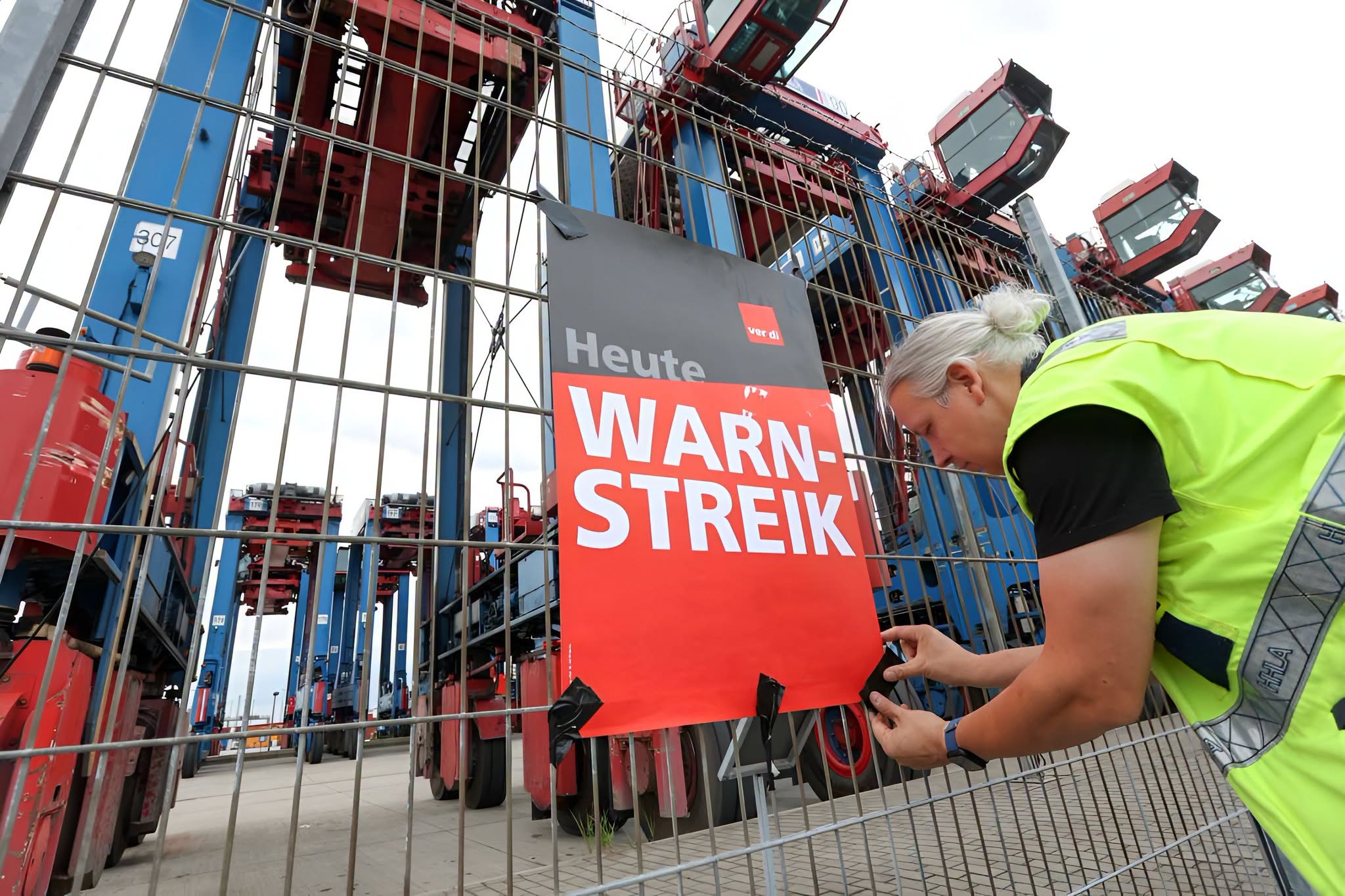
1. Six German Ports Avert Strike Threat
According to The Loadstar (October 7, 2026), the ver.di trade union has accepted new labor agreement terms, helping six German ports avoid potential strike action:
-
Ports affected: Hamburg, Bremen, Bremerhaven, Emden, Brake, and Wilhelmshaven.
-
Wage increases: Salaries will rise by 3.4%, holiday pay will increase by EUR 200, and certain container terminal workers will receive an additional annual bonus of EUR 416.
-
Pending approval: The agreement still requires approval from employers.
2. Port Congestion Remains a Major Concern
According to data from Kuehne+Nagel, container yard utilization rates at German ports currently stand at:
-
Bremerhaven: 90%
-
Hamburg: 80–85%
-
Wilhelmshaven: 65%
Although vessel waiting times have shown signs of improvement, high container yard utilization continues to put pressure on port operations and cargo handling activities.
3. Low Rhine River Water Levels Prompt Maersk to Maintain Surcharge
-
Record-low water levels: Water levels at the Kaub gauge on the Rhine River fell to just 6 cm in August 2026, the lowest level recorded since 1880.
-
Reduced barge capacity: Low water levels have forced barges to reduce their cargo loads, limiting transportation capacity between Germany's industrial hubs and the ports of Rotterdam and Antwerp.
-
Maersk's warning: Maersk has warned that barge transportation could become unfeasible if conditions deteriorate further, while maintaining its low-water surcharge on Rhine River shipments.
-
Barge waiting times: According to Contargo, waiting times currently stand at 36 hours in Antwerp and 56 hours in Rotterdam.
.png)
4. Key Considerations for Importers and Exporters
Amid ongoing disruptions at German ports and along the Rhine River transportation network, businesses are advised to:
-
Monitor shipping schedules and cargo pickup and delivery times closely.
-
Review low-water surcharges and any additional inland transportation costs.
-
Plan shipments proactively and consider alternative transportation options to minimize potential delays.
Source: Loadstar
Share


Head Office
ASL CAMBODIA

No.09C Street 367, Sangkat Chbar Ompov 1, Khan Chbar Ampov, Phnom Penh Capital, Kingdom of Cambodia

+855 31 555 6688

ceo@asl-cam.com

www.aslcambodia.com
LOGISTICS SERVICES
Related News

07/06/2025
IATA: Airline industry profits expected to rise slightly in 2025
07/06/2025
Maersk and Hapag-Lloyd launch new shipping service from China to the United States
31/05/2025
Shippers left in limbo as Trump appeals tariff ruling

ASL Logistics Cambodia
Your True Logistics Partner


